In today’s fast-paced world, stress and anxiety have become common attributes of our daily lives. This not only affects our mental well-being but also plays a significant role in gut health. Understanding the profound connection between gut health and the nervous system is essential for enhancing our overall health.
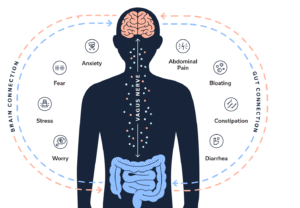
The gut-brain axis, a term used to describe the connection between gut health and brain function, has garnered significant attention in recent years. It’s a two-way communication system linking emotional and cognitive centers of the brain with peripheral intestinal functions. So, how do we improve this connection to enhance our well-being?
Understanding Gut Health
The gut, often referred to as the ‘second brain’, houses trillions of microorganisms that play a crucial role in digestion, metabolism, and even mood regulation. Maintaining a balanced gut microbiome is essential for overall health, as it can influence everything from immune function to mental clarity.
Several factors can adversely affect gut health, including poor diet, chronic stress, and a lack of physical activity. A diet high in processed foods and sugar can disrupt the balance of good bacteria, leading to gastrointestinal discomfort, inflammation, and chronic diseases.
Gut and Nervous System Connection
The vagus nerve, the longest cranial nerve, connects the brain to various organs, including the gut. This nerve plays a vital role in controlling many bodily functions and is crucial for communicating signals between the gut and the nervous system. When gut health is compromised, it can lead to dysregulation of the vagus nerve, resulting in an overstimulated sympathetic nervous system responsible for the body’s fight-or-flight responses.
When the body is in a constant state of stress, our gut’s functioning is disrupted, leading to issues like irritable bowel syndrome (IBS), bloating, and other digestive disorders. Conversely, improving gut health can help regulate the nervous system, reducing anxiety and promoting a sense of calm.
How to Improve Gut Health
1. Incorporate Probiotics: Probiotics are beneficial bacteria that help restore gut flora balance. Foods like yogurt, sauerkraut, and kimchi are excellent sources of probiotics that support digestive health.
2. Eat Fiber-Rich Foods: A diet rich in fiber promotes the growth of good bacteria in the gut. Incorporating fruits, vegetables, whole grains, and legumes can enhance gut motility and overall function.
3. Stay Hydrated: Drinking adequate water is essential for digestion and nutrient absorption. Aim for at least eight glasses of water a day to keep your gut hydrated.
4. Manage Stress: Incorporate stress management techniques such as meditation, deep breathing, or yoga. These practices can help calm the nervous system and positively affect gut health.
5. Avoid Processed Foods: Limiting processed foods high in sugar and preservatives can significantly improve gut health. Instead, prioritize whole, unprocessed foods that provide essential nutrients.
The Role of a Gut Health and Nervous System Coach
A gut health and nervous system coach can guide you through dietary changes, stress management techniques, and lifestyle adjustments tailored to your individual needs. They can help identify specific habits that are impacting your gut health and develop a personalized plan to address these issues.
Working with a coach can provide the support and accountability necessary to make lasting changes, ultimately leading to improved digestive health and a well-regulated nervous system. They can also introduce you to mindfulness practices that promote a calmer state of mind, facilitating better digestion and overall well-being.
Mindfulness and Gut Health
Integrating mindfulness practices into your routine can further enhance gut health. Techniques such as mindful eating, where one focuses on the flavors and textures of their food, can improve digestion and prevent overeating. Mindfulness meditation can decrease stress levels, directly benefiting gut health.
By being present and intentional during meal times, you create a less hurried environment for digesting food, allowing your body to process nutrients efficiently and reducing the likelihood of digestive discomfort.
Conclusion
The interconnectedness of gut health and the nervous system highlights the importance of taking proactive steps to nurture both. By focusing on a nutrient-dense diet, hydration, stress management, and the guidance of a gut health and nervous system coach, you can significantly improve your well-being.
Remember, the journey to optimal health is not a sprint; it’s a marathon. Take small, consistent steps towards enhancing your gut microbiome and balancing your nervous system for a happier, healthier life.