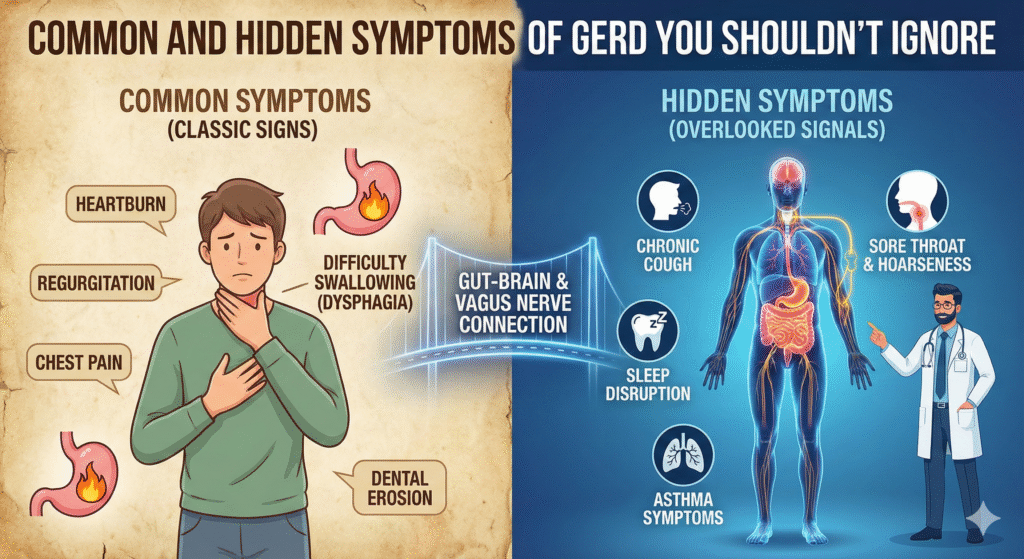
There’s a common myth that gut health issues are just about indigestion or food sensitivities. Many people believe that if they are experiencing stomach troubles, the solution lies simply in adjusting their diets. In reality, the connection between your gut and overall well-being runs deeper, involving intricate interactions with the nervous system, particularly the vagus nerve.
The vagus nerve, often referred to as the “wandering nerve,” is a critical component of the autonomic nervous system and plays a significant role in maintaining gut health. Contrary to traditional views that isolated gut issues are merely digestive inconveniences, modern research illustrates the profound impact of the vagus nerve on both gut health and emotional patterns.
The term ‘psychomatics’ delves into how our mental states, consciousness, perceptions, and emotions affect physical health. Within the gut-brain axis, psychomatic relationships are evident. The vagus nerve acts as a bi-directional communication channel between the brain and the gut, influencing neurotransmitter activities and emotional well-being.
Understanding this connection gives rise to the fascinating field of neuroscience that ventures beyond conventional medicine. Neuroscience shines a light on the vast ways the nervous system interlinks with bodily functions, including digestion. The gut contains its own nervous system, the enteric nervous system, sometimes referred to as the “second brain.” It communicates with the central nervous system through the vagus nerve, regulating gut motility, mucosal barrier integrity, and even influence over the inflammatory responses.
When the vagus nerve is functioning improperly, it can lead to a plethora of gut health issues. These can manifest as irritable bowel syndrome, constipation, or diarrhea. Furthermore, a poorly functioning vagus nerve has been associated with chronic inflammation in the gut. This link explains why gut health coaching needs to address vagus nerve tone as part of a comprehensive approach to healing.
Moreover, emotional patterns have a direct impact on the functioning of the vagus nerve. Prolonged stress, anxiety, and negative emotional states can decrease the tone of the vagus nerve, thereby impairing gut functions. This intricate relationship highlights the importance of emotional health in maintaining a healthy gut. As such, coaches that specialize in gut health and nervous system health often implement strategies such as mindfulness and meditation to stimulate the vagus nerve and promote healing.
Besides, psychomatics demonstrate how emotional trauma or heightened emotional states can result in physical manifestations within the gut. For instance, have you ever noticed stomach discomfort prior to a big presentation or felt ‘butterflies’ in times of nervous anticipation? These occur because of the vagus nerve’s response to emotional stimuli, revealing how interconnected emotional patterns are with physical health.
This complex relationship underpins the field of gut health coaching and its dual approach, merging emotional and physical health for holistic well-being. Proven techniques to enhance vagus nerve functions include deep breathing exercises, cold exposure, and certain yoga practices. These exercises are not just about calming the mind; they actively stimulate the vagus nerve, creating a positive feedback loop that integrates gut harmony and emotional balance.
With the rise of autoimmune diseases and chronic digestive issues, understanding the role of the nervous system, and particularly the vagus nerve, is imperative. It shifts the perspective from merely treating symptoms to identifying root causes that are often neurological or emotional. By focusing on the interplay between the gut, brain, and emotional health, health coaches can empower clients with tools to restore balance, leading to profound improvements in health.
Another critical factor to note is the impact of diet on vagal nerve health. Certain foods are neuroprotective, meaning they support the health of the nervous system, including the vagus nerve. Omega-3 fatty acids, probiotics, prebiotics, and polyphenol-rich foods are known to enhance vagus nerve functioning. Comprehensive gut health regimens incorporate these dietary components to maximize healing.
In conclusion, the intersection of gut health, the nervous system, and emotional pattern through the lens of neuroscience and psychomatics provides valuable insights into healing and wellness. The vagus nerve acts as a bridge, connecting mental health and physiological processes, making its proper function essential for overall well-being. As we advance in understanding this complex network, the path to holistic healing becomes more accessible, offering hope to those suffering from chronic gut health issues.