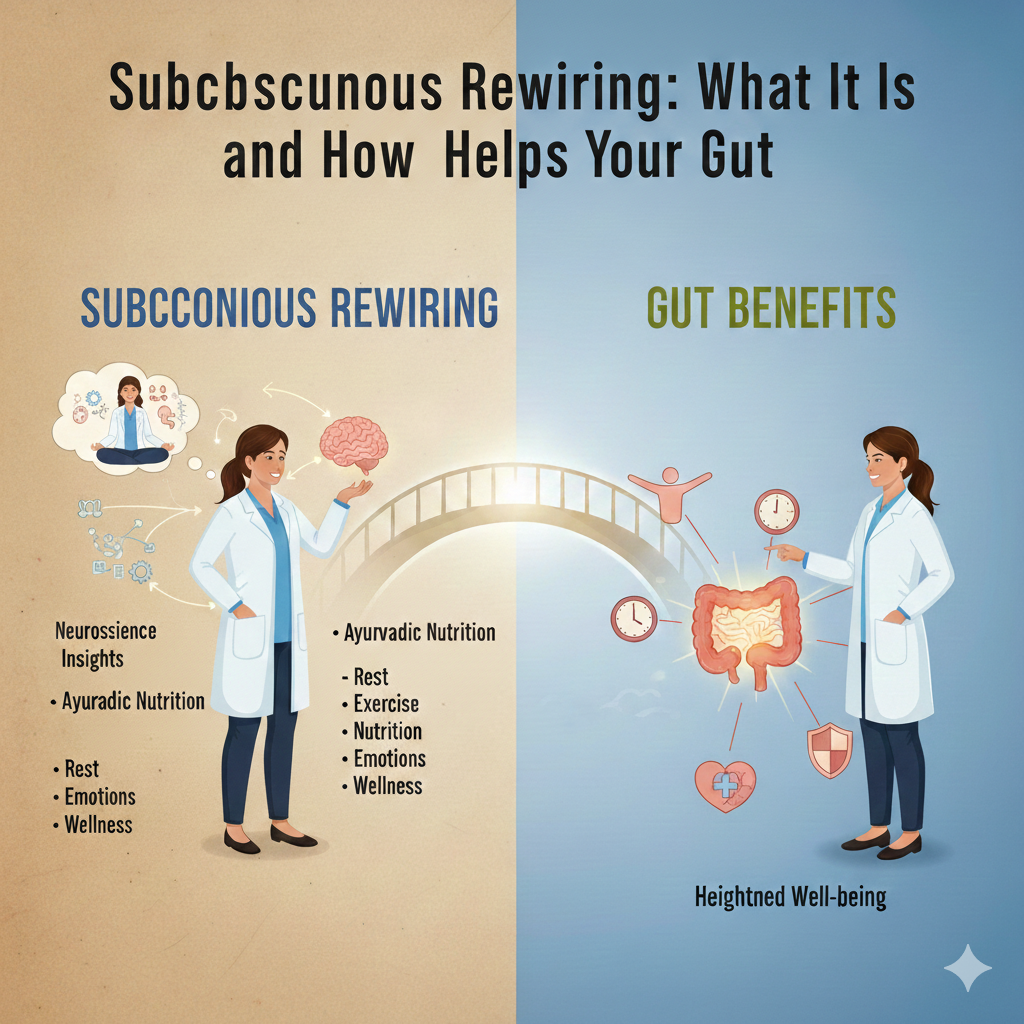
In the fast-paced world of working professionals aged 30–55, maintaining optimal health is not just a necessity but a challenge. The nexus of gut health and the nervous system often goes unnoticed. However, delving into this connection can reveal transformative insights, especially when blending neuroscience, Ayurvedic nutrition, and the RENEW method.
Understanding the profound link between the gut and the nervous system paves the way for holistic health improvements. Modern neuroscience has illuminated how tightly interwoven these systems are, often referring to the gut as the “second brain.” This term isn’t merely metaphorical but grounded in scientific discovery. The gastrointestinal tract houses millions of nerve cells and produces numerous neurotransmitters, making its influence on the nervous system undeniable.
From an Ayurvedic perspective, maintaining this balance is long heralded as a key to overall well-being. Ayurveda views the digestive system as a cornerstone of health. According to this ancient practice, a balanced diet tailored to one’s dosha—Vata, Pitta, or Kapha—enhances digestion and ensures the harmonious function of the nervous system. Incorporating Ayurvedic nutrition into your routine involves mindful eating, incorporating herbs like ashwagandha and turmeric, and choosing foods that pacify any doshic imbalances.
The RENEW method offers a structured approach to enhancing this vital connection. It stands for Reflect, Enhance, Nourish, Energize, and Work, providing a comprehensive path from reflection to action. By integrating this method with lifestyle changes, professionals can harness the full potential of their gut and nervous systems.
Firstly, Reflection is pivotal. Taking time to assess current lifestyle habits and diet is crucial. Understanding your individual digestive responses can be enlightening. Journaling meals and noting any symptoms like bloating or fatigue helps identify triggers. This phase aligns with getting in tune with both your mind and body.
Enhancing gut health involves incorporating probiotics and prebiotics into your diet. Foods like yogurt, sauerkraut, and kombucha are rich in probiotics and support healthy gut flora. Alongside, prebiotic-rich foods such as garlic, onions, and bananas fuel this beneficial bacteria, cementing the gut’s role as an ally to the nervous system.
Nourishing the body with proper nutrition aligns with both Ayurvedic practices and modern dietary guidelines. In Ayurveda, ghee is considered a nourishing fat that can bolster cognitive function and support gut integrity. Modern science echoes similar sentiments, recognizing the benefits of omega-3 fatty acids found in fish like salmon.
Energizing involves incorporating physical activity and stress-management practices. Research has shown that regular exercise not only boosts mood but positively impacts gut microbiota, thus influencing the nervous system. Techniques from yoga and meditation, which are cornerstones in Ayurveda, foster a calming effect on the nervous system, reducing stress and improving digestive function.
Finally, Working on sustainability is essential for long-term health benefits. Consistency in implementing these practices leads to tangible improvements in nervous system function and gut health. It requires discipline and habit formation but yields rewarding effects on your overall quality of life.
In conclusion, by understanding and nurturing the connection between gut health and the nervous system through neuroscience insights, Ayurvedic nutrition, and the RENEW method, working professionals can achieve heightened well-being. Implementing these strategies does not require drastic changes but rather a commitment to mindful, informed living. The benefits—enhanced energy, better moods, and improved health—make the journey worthwhile.