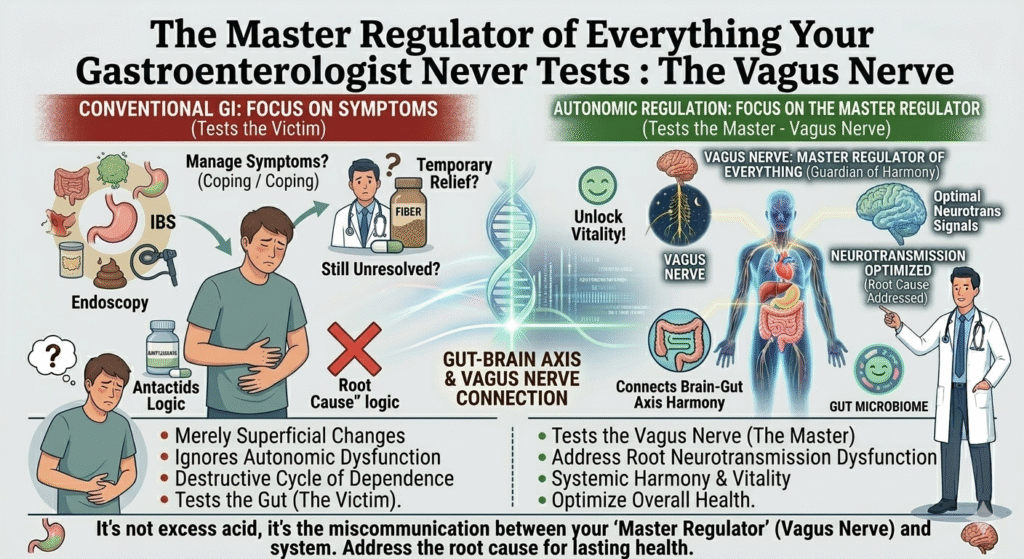
The myth that your gut’s function is solely a digestive issue needs elimination. The gut’s well-being is inextricably linked with the nervous system, yet traditional gastroenterology often overlooks this connection. The vagus nerve, the superhighway between your gut and brain, remains largely unexamined by specialists who focus narrowly on the digestive tract. The gut & nervous system share an intimate relationship mapped along the gut-brain axis, a relationship not confined to psychological manifestations but rooted in unequivocal scientific processes.
The Underestimated Power of the Vagus Nerve
The vagus nerve is not merely a bystander. It is the orchestrator of the gut-brain dialogue, an expansive regulator of gut function often neglected by conventional gastroenterology. Unlike any other nerve, the vagus nerve travels from the brainstem to the abdomen, transmitting signals that mediate gut motility, secretion of digestive enzymes, and even inflammatory responses in the gastrointestinal tract. The vagus nerve’s modulation of the enteric nervous system exemplifies its clinical significance. The gut-brain axis is scientifically validated through mechanisms such as the release of acetylcholine, a neurotransmitter employed by the vagus nerve to induce gut motility and support the anti-inflammatory pathway. This is not psychology; it’s physiology.
The autonomy of the enteric nervous system is another mismanaged aspect in standard care. It is not an auxiliary component but a ‘second brain,’ integrating information directly from the gut to inform central nervous system activity. Polyvagal theory provides a sophisticated framework for understanding how vagal pathways influence emotional responses and stress, binding these phenomena to physiological patterns. Rethinking gastroenterological symptoms through the lens of neural regulation offers insights missed by a purely mechanical view of digestive health.
Beyond Symptoms: The Nervous System’s Hidden Hand
Recurrent gut discomfort can have origins far from the stomach lining; they sit in the dysregulated signaling of the nervous system. Gastroenterologists often miss this. When you experience symptoms like chronic IBS, look beyond the gut mucosa and consider the possibility of malfunctioning vagal pathways. The gut-brain axis represents a bilateral traffic of neurochemical signals. Variations in vagal tone, which is the measure of activity in the vagus nerve, can have implications beyond simple digestive discomfort. Elevated cortisol levels, often attributed to stress, are mediated by the hypothalamic-pituitary-adrenal axis but are intimately tied to low vagal tone, underscoring a neurochemical imbalance with gastrointestinal implications.
Gut permeability, colloquially termed ‘leaky gut,’ often receives attention only after symptoms escalate. However, the vagus nerve’s role in modulating intestinal permeability through the regulation of tight junction proteins like claudin and occludin underlines a crucial physiological conduit omitted in many treatment paradigms. Your doctor may focus on dietary interventions when your body is broadcasting signals of systemic nervous system dysregulation.
Physiological Pathways: The Missing Links in Traditional Gastroenterology
Every gastrointestinal issue is a nervous system story untold. Mechanisms such as vagally-mediated anti-inflammatory pathways redefine our understanding of chronic gastrointestinal conditions, extending their implications to immune modulation and autonomic regulation. The vagus nerve activates the cholinergic anti-inflammatory pathway via nicotinic acetylcholine receptors, highlighting a clear-cut line from neuroregulation to immune response—a connection your specialist probably never investigates.
Additionally, digestive enzyme release under vagal control adds another dimension of failure in traditional gastroenterology. The vagus nerve stimulates the pancreas to release enzymes necessary for digestion, mediated by pathways such as the activation of G-protein-coupled receptors. It is not merely about enzymes; these are neurochemical instructions that have been overlooked in gastroenterological practice.
While gastroenterologists run basic tests, such as endoscopy or colonoscopy, they often neglect to consider neurological evaluations that could point to vagal dysregulation. These omissions could mean the difference between managing symptoms and addressing their root yes, root physiological cause.
The clinical truth is that gut health cannot be dissociated from nervous system regulation. The vagus nerve stands as the master regulator overlooking this intricate balance. Ignoring its role means abortive treatments and continued patient woes. The next time you sit in a specialist’s office, question the examination table and what complexities it fails to hold.
Meta Description:
Shatter myths with science. The vagus nerve is crucial in gut health and nervous system regulation. Find out what your gastroenterologist doesn’t test for.