In the fast-paced modern world, maintaining optimal health is a priority for many people. However, the complex interactions within our bodies often seem like a mystery. One of the most intriguing and vital connections in the human body is between gut health and the nervous system. It’s a link that, when understood and nurtured, can lead to improved overall well-being. By combining insights from neuroscience, Ayurvedic nutrition, and the RENEW method, we can foster this connection effectively.
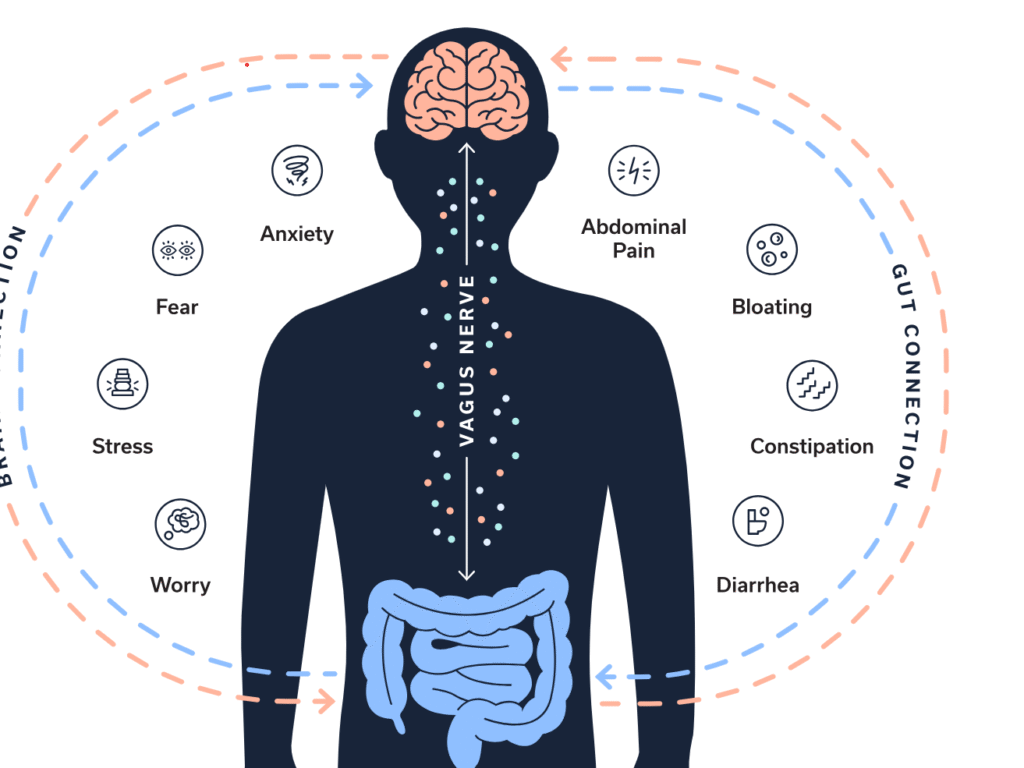
The gut, often referred to as the “second brain,” plays a crucial role in our health. This isn’t just a catchy phrase; it holds scientific weight. The enteric nervous system (ENS) is a complex network of neurons embedded in the lining of our gastrointestinal system. It’s responsible for regulating digestive processes and communicates with our central nervous system (CNS), forming what is known as the gut-brain axis.
The gut-brain axis is a bi-directional communication system that links emotional and cognitive centers of the brain with peripheral intestinal functions. Within this framework, the role of neurotransmitters like serotonin and dopamine is significant. Interestingly, about 90% of serotonin, a neurotransmitter associated with happiness and well-being, is produced in the gut.
Stress is a major factor that can disrupt this delicate balance. Chronic stress can lead to an overproduction of cortisol, a hormone that interferes with gut health, leading to conditions such as leaky gut syndrome and irritable bowel syndrome (IBS). This, in turn, can affect mental health, creating a vicious cycle.
So, how can we promote a healthy gut-nervous system connection? Enter the RENEW Method, a comprehensive approach that revolves around five key pillars: Rest, Exercise, Nutrition, Emotional Support, and Wellness Practices. Let’s explore how these pillars can transform your health.
Rest: Adequate rest is non-negotiable when it comes to maintaining gut health. Sleep directly impacts the microbiome—the diverse community of microorganisms in the gut. During sleep, vital restorative processes occur, including the regulation of hormones that control appetite and stress. Aim for 7-9 hours of quality sleep, ensuring your environment is conducive to rest.
Exercise: Physical activity is a cornerstone of overall health. Regular exercise promotes a diverse and healthy microbiome by encouraging the growth of beneficial bacteria. It also reduces stress levels by boosting endorphin production, creating a positive feedback loop that supports both gut and mental health.
Nutrition: Embracing Ayurvedic nutrition principles can be transformative. Ayurveda, a traditional Indian system of medicine, places a strong emphasis on the balance of bodily energies. Incorporating a diet rich in prebiotics and probiotics supports gut health. Foods like fermented vegetables, yogurt, and whole grains nourish the microbiome. Moreover, Ayurvedic practices encourage mindful eating—focusing on food choices tuned to personal doshas (bodily constitutions)—thereby enhancing digestion and nutrient absorption.
Emotional Support: Emotional well-being is woven into the fabric of our physical health. Practices such as mindfulness and meditation support the gut-brain axis by reducing stress and its harmful effects. Cultivating a supportive social environment also contributes to emotional resilience, which in turn supports gut health.
Wellness Practices: Integrate holistic practices such as yoga and deep-breathing exercises to enhance the mind-body connection. Yoga, particularly, is celebrated for its ability to improve both mental and physical health by reducing stress and supporting the digestive system. Controlled breathing exercises, or Pranayama, can soothe the nervous system, reducing anxiety and promoting relaxation.
By following the RENEW method, you can forge a strong gut-nervous system connection. But why is this connection crucial for working professionals? It boils down to performance and resilience. In demanding work environments, maintaining focus, productivity, and creativity is essential. A balanced gut-brain axis can improve cognitive function, enhance mood, and increase energy levels, all of which are crucial for professional success.
Moreover, consider the impact of a disrupted gut-brain connection. Persistent gastrointestinal issues can lead to fatigue, brain fog, and emotional instability—barriers to professional and personal growth. Thus, investing in gut health isn’t just about avoiding discomfort; it’s about enabling peak physical and mental performance.
In conclusion, understanding and nurturing the gut-nervous system connection is a powerful tool in achieving holistic health. By embracing the principles of neuroscience, Ayurvedic nutrition, and the structured approach of the RENEW Method, working professionals can unlock a higher caliber of life. Taking steps today to align this crucial connection will yield benefits that reverberate throughout all aspects of life, ensuring not only a prolonged career but also an enhanced quality of life.