There’s a prevalent myth that our gut and brain operate independently, like isolated systems within our biological world. This myth ignores the profound connection between our gut health and nervous system, revealing how deeply intertwined these systems are. Misunderstanding this relationship can lead to overlooking key factors contributing to our physical and mental wellbeing.
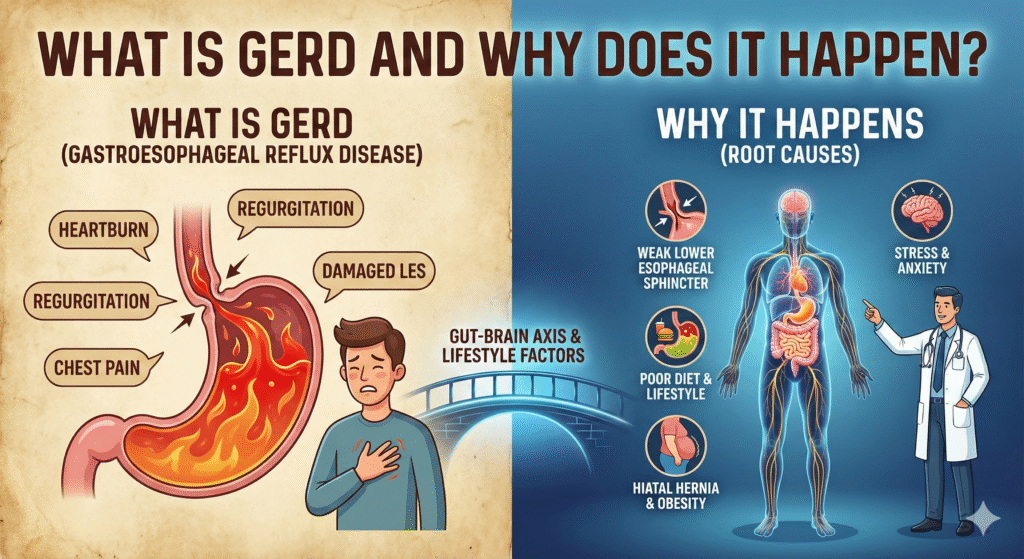
Our understanding of the gut-brain connection has evolved significantly, with compelling research showcasing the influence each has on the other. At the heart of this connection lies the vagus nerve, a crucial component of our autonomic nervous system. The vagus nerve acts like a superhighway, facilitating communication between the gut and the brain. When the gut is healthy, this link boosts our resilience to stress, enhances emotional patterns, and contributes to overall wellbeing.
Secondary to this is the burgeoning field of psychomatics, the study of how psychological factors can affect the body physically. A key principle of psychomatics is that gut issues can reflect our inner emotional state. For instance, chronic stress or unresolved trauma may manifest as digestive problems, indicating how emotional patterns disturb gut health.
Science tells us that our gut has its own “brain” known as the enteric nervous system (ENS). This system comprises millions of neurons lining the gastrointestinal tract that communicate back and forth with our central nervous system. The gut not only processes food but also produces neurotransmitters, which profoundly affect our mood and cognitive function. Serotonin, frequently dubbed the “feel-good” neurotransmitter, is mainly produced in the gut. Therefore, any disruption in the gut’s health can adversely affect serotonin levels, undermining emotional and mental health.
Understanding the neuroscience behind these interactions further illuminates how we can harness this connection for better health outcomes. For instance, a balanced diet rich in fiber and probiotics can enhance gut microbiota and, in turn, improve vagal tone. This beneficial cycle supports not only digestive health but also reduces anxiety and depression.
Let’s examine how emotional patterns are closely tied to our gut and nervous system. Repeatedly experiencing emotions like fear, anger, or sadness can strain our gut’s ability to function optimally. This happens because the body’s stress response recruits the adrenal glands to ramp up cortisol production, a hormone that, when elevated for too long, can compromise our immune system and lead to increased gut permeability, often referred to as leaky gut syndrome.
Addressing gut health through a holistic lens, combining nutritional interventions and neuroscience-backed techniques, offers a sustainable path forward. Techniques like diaphragmatic breathing and mindfulness meditation can stimulate the vagus nerve, helping to calm the nervous system and heal the gut. Using these strategies, practitioners can help individuals realign their emotional patterns and improve their gut health simultaneously.
The close relationship between the gut, brain, and nervous system emphasizes the importance of a comprehensive approach to wellness. For anyone seeking to optimize their health, it’s essential to consider both the physical state of one’s gut and the psychological patterns influencing it.
In conclusion, debunking the myth of the gut and brain as isolated entities opens up an opportunity to understand the complex symphony between our emotions, brain health, and gut functionality. Recognizing the influence of the vagus nerve and the science underpinning this relationship allows for more effective interventions, promoting resilience and greater overall health.