It’s a common myth that gut health solely pertains to digestion. In reality, the condition of your gut is entwined with the very fabric of your mental and emotional health, significantly impacting your nervous system’s functionality. While many believe that treating gastrointestinal issues is only about alleviating stomach pain or addressing dietary needs, it’s time to consider how the mind-gut connection, particularly through the vagus nerve, influences both our physical and psychological well-being.
For centuries, the gut has been colloquially termed the “second brain.” This isn’t just metaphorical. Emerging studies in neuroscience have demonstrated how a complex network resides within our gut, interacting intricately with our central nervous system. An essential player in this dialogue is the vagus nerve, a conduit that transmits information between the gut and the brain. When our gut is dysfunctional, often due to conditions like leaky gut or dysbiosis, it directly affects the vagus nerve’s communication, thereby influencing our mental state and emotional patterns.
The vagus nerve, the longest cranial nerve in the body, plays a pivotal role in the parasympathetic nervous system—governing the ‘rest and digest’ responses. When the gut is inflamed or imbalanced, these vagal responses may become impaired, leading to stress, anxiety, and depression. Understanding this connection is crucial for holistic health management, as advancements in psychomatics highlight how emotional and psychological patterns can manifest physically.
Gut imbalances can often contribute to significant disruptions in our emotional stability. It’s essential to explore how stress manifests in stomach issues and how gut discomfort subsequently feeds back into emotional states. For example, stress can lead to digestive problems like irritable bowel syndrome (IBS), which in turn exacerbates stress due to physical discomfort, creating a vicious cycle. This psychosomatic element is crucial in developing personalized coaching strategies that emphasize gut health as a cornerstone of emotional well-being.
The role of neurotransmitters, produced in the gut, cannot be overlooked either. Around 95% of the body’s serotonin, a key mood stabilizer, is created in the gut. Likewise, the gut affects the production of dopamine, another neurotransmitter linked to pleasure and reward. The presence of beneficial bacteria in the gut facilitates the production of these chemicals, underscoring the gut’s role in mood regulation. Probiotics and prebiotics, dietary fibers that feed healthy bacteria, should thus be considered vital components in your coaching approach towards better gut health and, in turn, a well-regulated nervous system.
Moreover, emotional stress has been identified as a trigger for gastrointestinal dysfunction, highlighting the body’s response to psychological stimuli. Emotional patterns, such as chronic anxiety or depressive states, are inextricably linked to gut responses, creating a bidirectional relationship that necessitates a holistic approach in treatment. This is where the role of neuroplasticity and mindful practices come into play—techniques like meditation, deep-breathing, and yoga have shown promising results in activating the vagus nerve, enhancing gut function, and reducing stress.
For those on their journey to heal the gut-nervous system axis, here are some actionable steps:
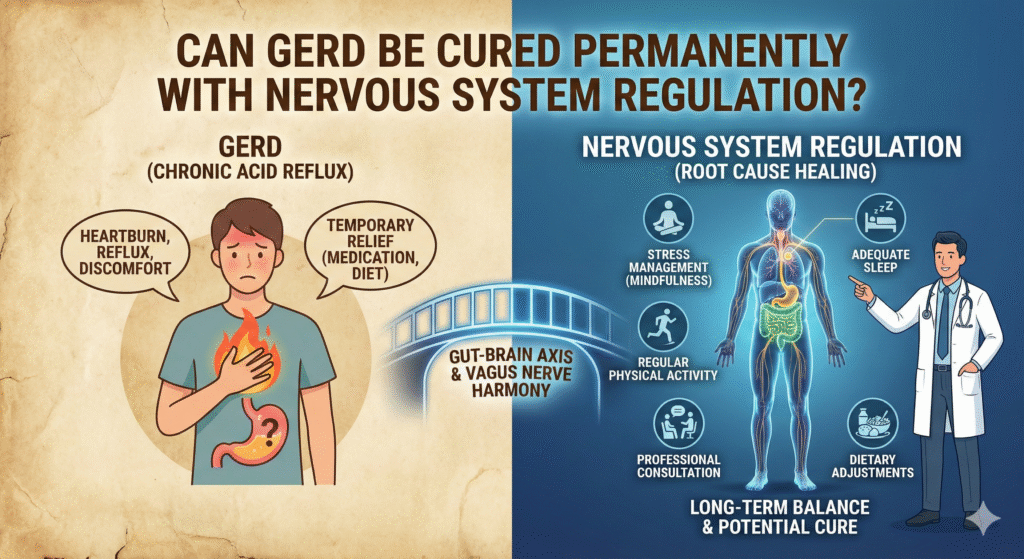
1. **Dietary Adjustments:** Incorporate a gut-friendly diet rich in prebiotic and probiotic foods. Fermented foods, fiber-rich fruits, and vegetables promote a healthy microbiome.
2. **Stress Management Techniques:** Adopt mindfulness practices that not only soothe the mind but also activate the parasympathetic nervous system, thereby improving gut function.
3. **Regular Physical Activity:** Exercise enhances vagal tone, supporting both nervous system health and gut motility. An active lifestyle promotes the release of endorphins, acting as natural mood lifters.
4. **Ensuring Adequate Sleep:** Quality sleep supports the recovery of both gut and brain, reducing inflammation and supporting mood regulation.
5. **Consultation with Professionals:** A gut health and nervous system coach can provide personalized insights and actionable plans tailored to your unique body chemistry and life circumstances.
While understanding the interconnection between gut health and the nervous system, individuals can be empowered to take control of their digestive health in tandem with their emotional and mental states. This holistic awareness not only decentralizes the stigma around mental health struggles but also presents a comprehensive strategy to cultivate well-being from within. As a coach, guiding individuals through this complex but rewarding journey ensures lasting health transformations.