There’s a common myth that gut issues are purely physical ailments with no connection to our mental health. Many believe that if you have a stomach problem, it must stem from your diet or a bacterial imbalance. However, groundbreaking research in neuroscience and psychomatics has unveiled something profound: our gut health is deeply intertwined with our nervous system, specifically through the vagus nerve, and is influenced by our emotional patterns. Busting this myth can pave the way towards holistic health and wellbeing.
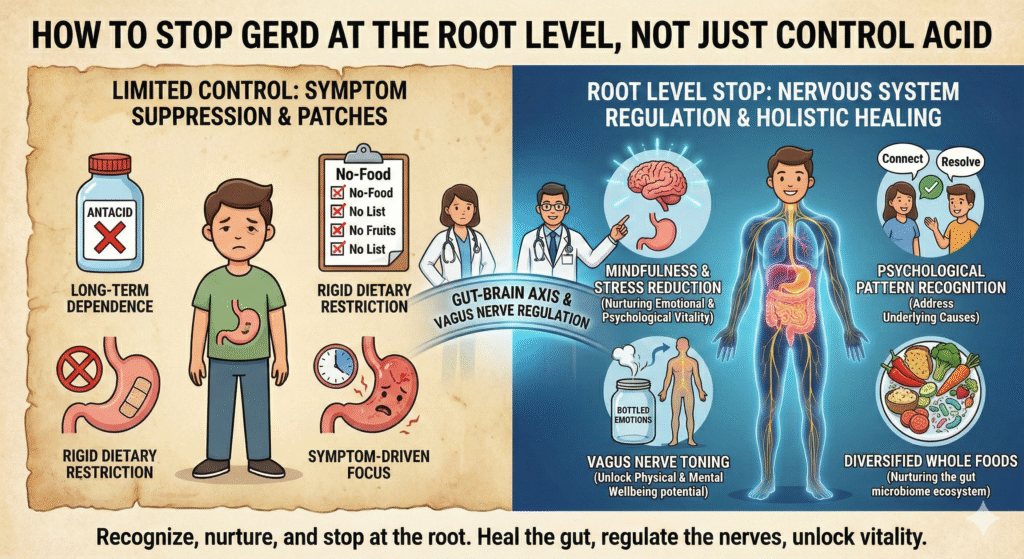
To truly understand the significance of this connection, let’s delve into the remarkable workings of the vagus nerve. This nerve, often referred to as the body’s superhighway, plays a pivotal role in communication between the gut and the brain. Imagine it as a bidirectional communication channel; messages are constantly being relayed back and forth. The gut doesn’t just receive directives from the brain; it converses with it, influencing our moods, stress levels, and even cognitive functions.
Neuroscience has shown us that about 90% of the fibers in the vagus nerve carry information from the gut to the brain, not the other way around. Fascinatingly, when signals from the gut are out of balance, this can manifest as psychological symptoms, such as anxiety, depression, or mood swings. This relationship is why the gut is often referred to as the “second brain” and why maintaining gut health is crucial for emotional wellbeing.
Another fascinating aspect of this connection is how our gut influences the production of neurotransmitters. Did you know that about 95% of our body’s serotonin the hormone responsible for happiness and wellbeing is produced in the gut? It’s no wonder then that disruptions in gut health can lead to emotional and psychological disturbances. The gut’s microbiome, a complex ecosystem of bacteria and microorganisms, plays a critical role in this chemical production. A balanced microbiome ensures smooth neurotransmitter function, which in turn supports a healthy, balanced mood.
Psychomatic principles further illuminate the connection between our emotional health and gut physiology. Emotions are not just felt but also manifest physically in the body. Chronic stress or emotional trauma, for instance, can lead to physical symptoms like irritable bowel syndrome (IBS) or other gastrointestinal issues. This process happens through a complex interaction where emotional stress impacts gut motility, secretion, and even blood flow.
Understanding these connections opens up various strategies for improving your health. One effective technique is activating the vagus nerve through deep breathing exercises, meditation, or yoga. These practices stimulate the parasympathetic nervous system, promoting relaxation and digestion, and enhance the gut-brain dialogue. Additionally, focusing on a nutrient-rich diet that supports gut flora can ensure that your body is producing the necessary neurotransmitters for mental clarity and emotional balance.
It’s also critical to address unresolved emotional patterns which may be manifesting as gut issues. Working with a health coach or mental health professional might uncover emotional traumas triggering physiological responses. This holistic approach ensures that both your mind and body are aligned, paving the way for complete healing.
Incorporating probiotic-rich foods or supplements can be another powerful tool in your arsenal. Probiotics enhance the gut microbiome, promoting the production of beneficial bacteria that aid in digestion and emotional health. Fermented foods like yogurt, kimchi, and kefir are excellent sources that naturally bolster the gut environment.
Building a resilient gut-brain connection also involves being aware of your body’s signals. Practices like mindful eating can help you tune into what your gut is truly indicating. Are you eating because you’re hungry, or is it stress eating? Paying attention to these cues can prevent overloading the gut with unnecessary stress, maintaining its health and functionality.
The gut-brain connection reminds us of the simplicity yet complexity of our bodies. It’s not just about treating symptoms but understanding underlying causes and addressing them with a comprehensive approach. By integrating knowledge from neuroscience and psychomatics, we can wholly appreciate the symbiotic relationship between our gut, nervous system, and emotions.
In summary, gut health goes beyond mere digestion. It’s a crucial player in our emotional and psychological vitality, intricately tied to our nervous system through the vagus nerve. By recognizing and nurturing this relationship, we unlock the full potential of our physical and mental wellbeing. So, take a moment today to listen to your gut it holds more wisdom than you might think.