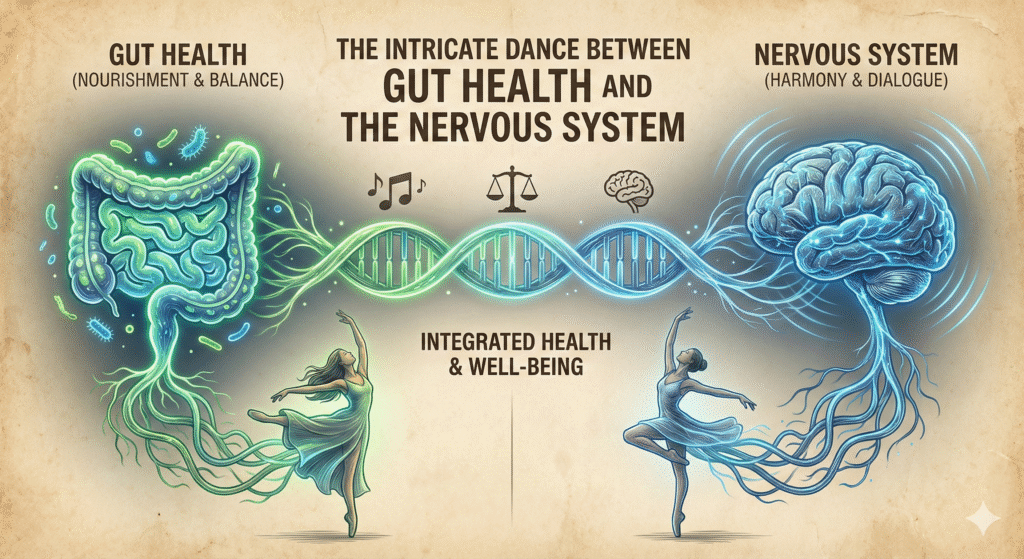
In the world of health and wellness, there’s a prevailing myth that our gut and brain function as separate entities, operating in isolation from one another. However, this couldn’t be further from the truth. Emerging science reveals a complex and intimate connection between our gut health and the nervous system, often mediated by a key player known as the vagus nerve. In this exploration, we’ll uncover how gut issues are intertwined with our mental well-being and emotional states, offering insights into how we can harness this knowledge for better health.
At the heart of this interconnected system is the vagus nerve, one of the longest and most significant nerves in our body. It’s often regarded as the communication superhighway between the gut and the brain. Functioning as part of the parasympathetic nervous system, its primary role is to regulate rest and digestion. When the vagus nerve is balanced, it promotes a state of calm and supports optimal gastrointestinal function.
However, disruptions in gut health can lead to a cascade of effects on the nervous system. This is where psychomatics or the study of how the mind affects the body comes into play. Stress, a common element in modern life, can wreak havoc on the gut. It influences the production of stomach acid and the flow of digestive enzymes, creating a challenging environment for maintaining a healthy gut flora. Over time, this imbalance can lead to gut-related issues such as IBS or leaky gut syndrome.
Research in neuroscience has established that the vagus nerve is a key mediator in what’s often referred to as the “gut-brain axis.” This two-way communication not only affects how we digest and process food but also influences emotional and psychological states. Studies have shown that an imbalance in gut bacteria can affect neurotransmitter production, impacting mood and mental health. Serotonin, a neurotransmitter often associated with feelings of happiness, is predominantly produced in the gut. When the gut isn’t functioning optimally, serotonin levels can dip, leading to feelings of anxiety or depression.
Moreover, emotional patterns can significantly affect gut health. Persistent negative emotions such as fear, anger, or sadness can activate the stress response, sending signals via the vagus nerve that can alter gut function. This interaction underscores the importance of not just focusing on diet and probiotics for gut health, but also addressing emotional and psychological well-being.
So, how can we nurture this intricate relationship between our gut health and nervous system? Here are some steps you can take to support this vital connection:
Firstly, engage in practices that stimulate the vagus nerve. Activities such as deep breathing, meditation, and yoga are excellent for calming the nervous system and enhancing vagal tone. These practices not only support digestive health but also promote emotional resilience and mental clarity.
Secondly, prioritize a diet that supports gut health. This means consuming a variety of fiber-rich foods that feed beneficial gut bacteria. Fermented foods like yogurt, kefir, sauerkraut, and kombucha are excellent choices, as they are rich in probiotics which can help maintain a healthy gut microbiome.
Additionally, manage stress effectively. Regular exercise, sufficient sleep, and mindfulness practices are pivotal in maintaining both mental well-being and gut health. Explore cognitive behavioral strategies or work with a professional coach to understand and transform emotional patterns that may be impacting your health.
Finally, consider seeking the expertise of a gut health and nervous system coach. These professionals can offer personalized strategies that address both physical and emotional aspects of gut health, supporting a holistic approach to wellness.
In conclusion, the symphony between our gut health and nervous system is far from a siloed process. It is a ceaseless dialogue that impacts our overall health and well-being. By embracing practices that nurture this connection, we can foster not only a healthier gut but also a more balanced mind and body. Busting the myth of separation empowers us to adopt a more integrated approach to health, where nurturing one aspect can lead to profound benefits across all areas of our lives.